


Why 2026 Is the Year of Personal Style Over Micro-Trends: How Sustainable Fashion Trends Wins Big

Are you tired of scrolling through endless micro-trends that vanish as quickly as they appear? In 2026, fashion is finally shifting toward something more meaningful: personal style. No more chasing fleeting fads from fast fashion—consumers, especially Gen Z, are embracing unique, expressive wardrobes built on quality, longevity, and sustainability. This isn't just a trend; it's a movement that's reshaping the eco-fashion industry for the better.
The Shift Away from Micro-Trends: Why Personal Style Is Taking Over
Fast fashion's cycle of viral micro-trends has led to burnout. Oversized minimalism and impulse buys dominated the early 2020s, but now we're seeing a rebellion. Experts predict 2026 will prioritize mindfully curated closets, where rewearing favorites, vintage finds, and distinctive styling create looks that stand out in a sea of sameness.
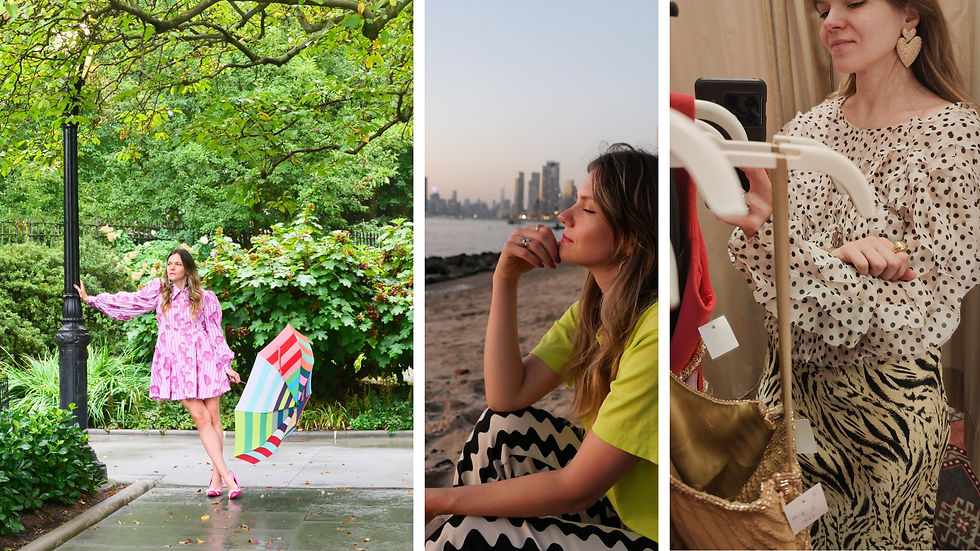
This rise in personal expression aligns perfectly with maximalism—think bold colors, patterns, and intentional clashes. Gen Z is leading the charge, moving from quiet luxury to vibrant, personality-driven outfits. And the best part? Sustainable brands are thriving here, offering durable pieces that encourage creativity without the waste.
How Eco-Fashion Is Leading the Charge
Sustainable fashion isn't about bland neutrals anymore. In 2026, ethical brands are embracing bold, expressive designs with innovative materials that reduce environmental impact. Next-gen fabrics like mushroom leather (mycelium-based) and algae textiles are scaling up, offering luxurious alternatives to traditional leather and synthetics.
These bio-based innovations are durable, biodegradable, and stylish—perfect for building a wardrobe that lasts. Brands are also investing in regenerative fibers like organic cotton, hemp, and linen, grown with soil-restoring practices.

Embracing Circularity: Resale, Rental, Repair, and Upcycling
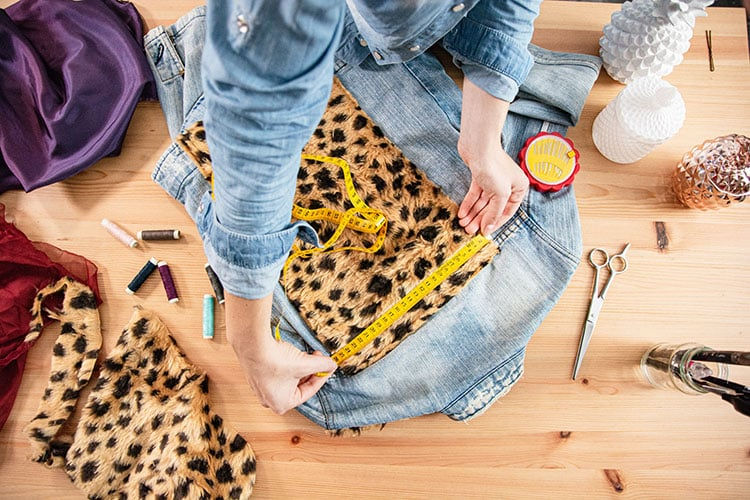
The secondhand market is booming, driven by both eco-consciousness and economic factors. Resale, rental, and repair services are keeping clothes in circulation longer, reducing landfill waste. Upcycling—transforming old pieces into fresh favorites—is exploding, with brands and DIYers creating one-of-a-kind items.
This circular approach supports personal style beautifully: mix vintage treasures with new sustainable buys for outfits that are truly you.
5 Practical Tips to Build Your Sustainable Personal Style in 2026
Curate a Capsule Wardrobe: Start with versatile, high-quality pieces from ethical brands. Focus on timeless silhouettes you can style boldly.
Shop Secondhand and Vintage: Platforms like Depop or Vinted offer unique finds that scream individuality—plus, they're kinder to the planet.
Experiment with Maximalism Sustainably: Layer bold colors and patterns using what you already own, or add eco-friendly accessories.
Invest in Innovative Materials: Look for mushroom leather bags, algae-dyed tees, or regenerative cotton basics.
Commit to Repair and Upcycle: Learn simple mending or support brands with take-back programs to extend your clothes' life.
The Future Looks Bright (and Bold)
2026 marks a turning point: sustainable fashion is winning because it empowers authentic self-expression without the guilt. By choosing quality over quantity, we're not just styling better—we're building a greener industry.
What's your take? Are you ready to ditch micro-trends for a wardrobe that's uniquely yours? Share your favorite sustainable pieces in the comments—We'd love to hear!
sustainable fashion trends 2026, personal style 2026, eco fashion maximalism, circular fashion, mushroom leather fashion
🌿 Stay stylish and sustainable!


Comments